New Data: What a Nearly Half-Million-Night Sleep Study Found
The Welltech Edit·
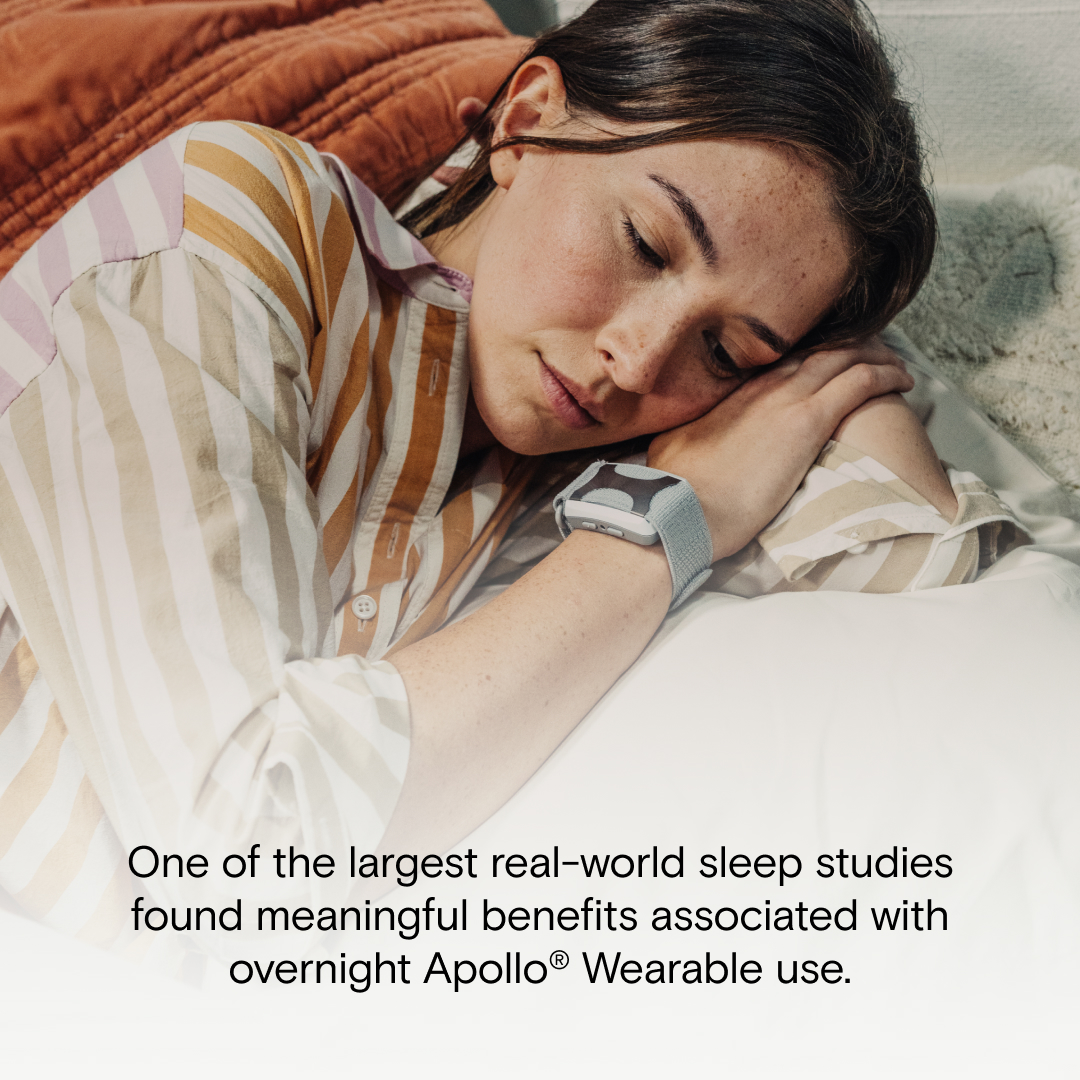
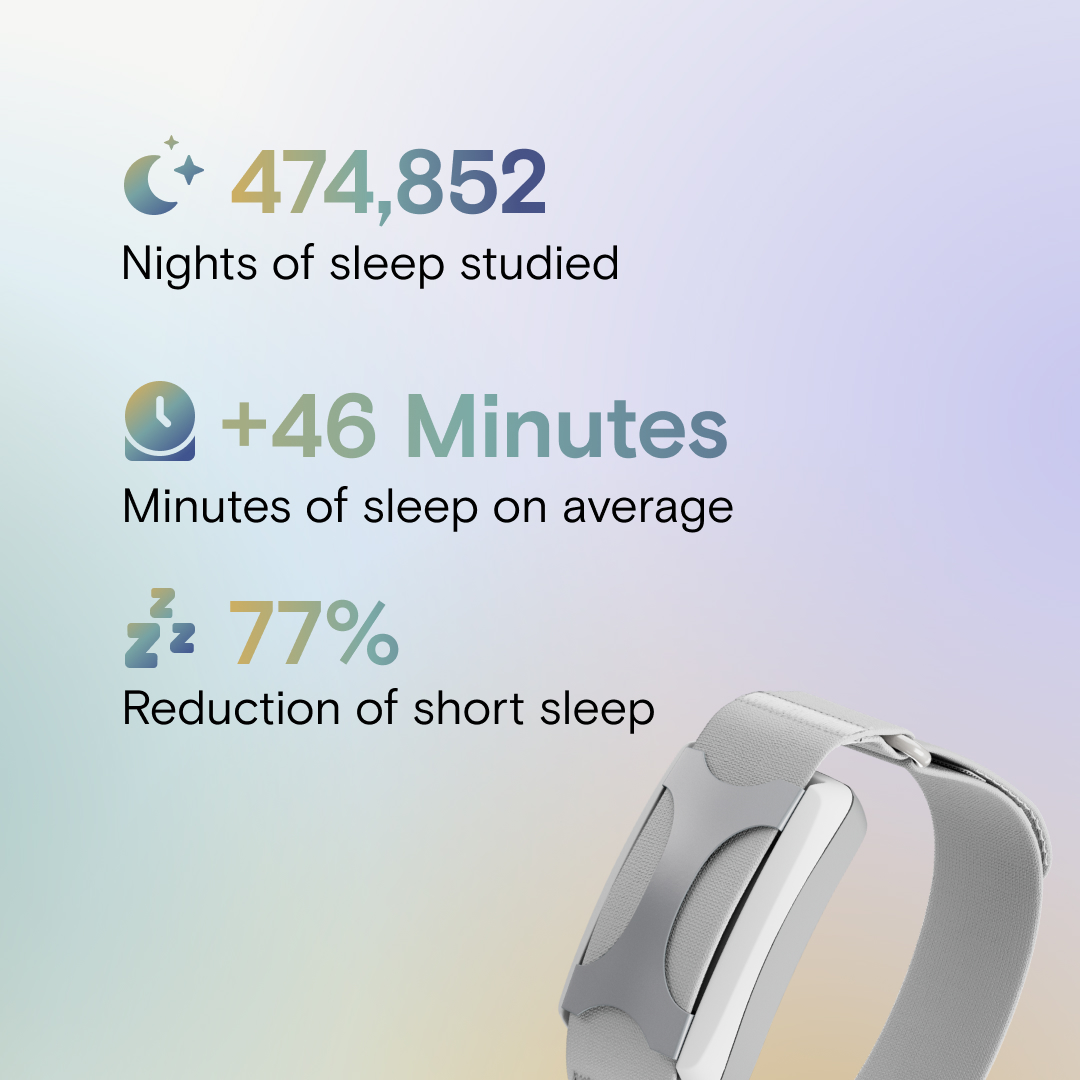
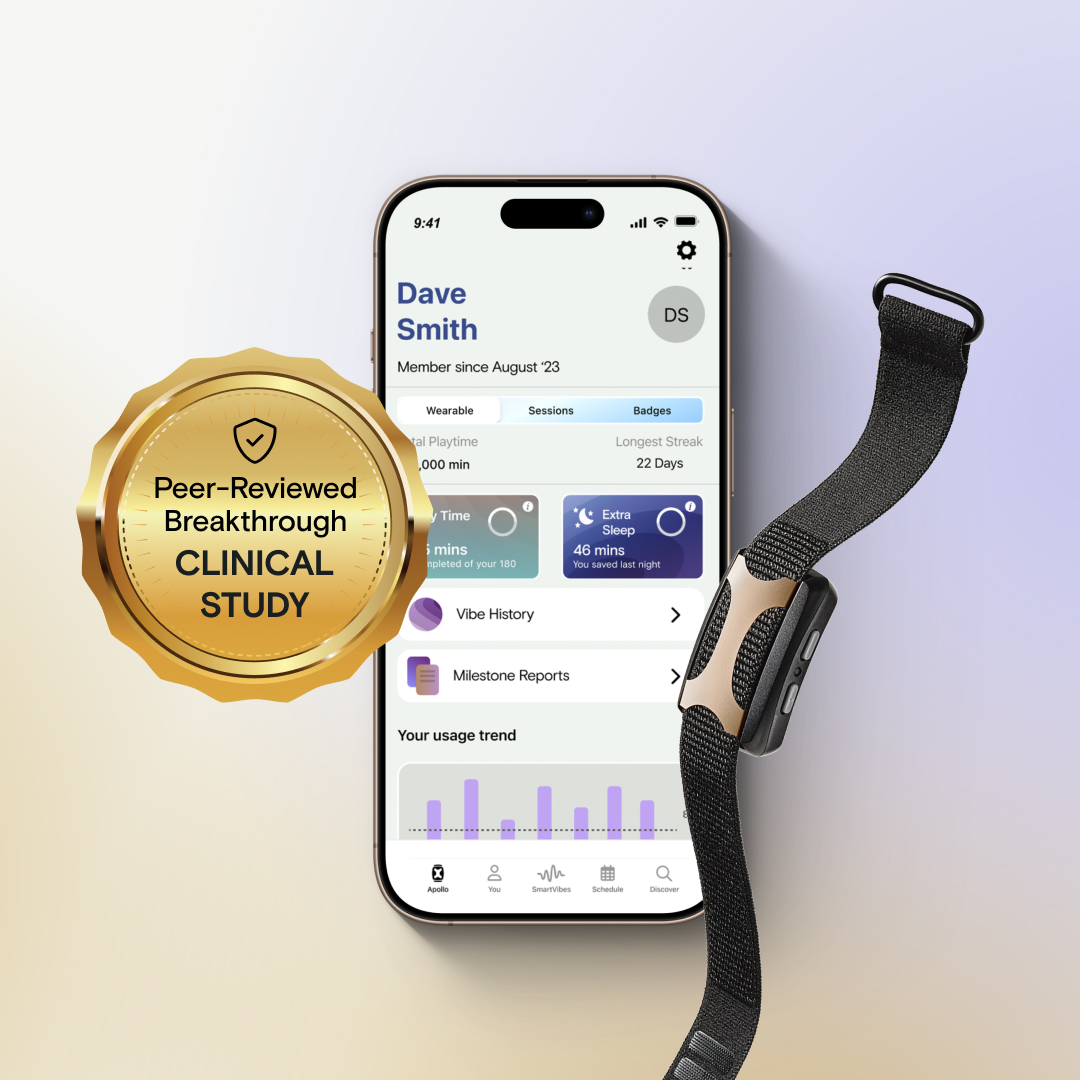
Apollo Neuro just published one of the largest real-world studies ever run on a wearable sleep intervention — 474,852 nights of sleep from 935 Apollo and Oura users, tracked over three years.
The findings: among people who routinely slept fewer than six hours a night, wearing Apollo during sleep was associated with an average of 46 additional minutes of sleep, a 77% lower likelihood of sleeping under six hours, and more REM sleep. The data also showed a dose-response pattern — the more the wearable was used overnight, the greater the improvement.
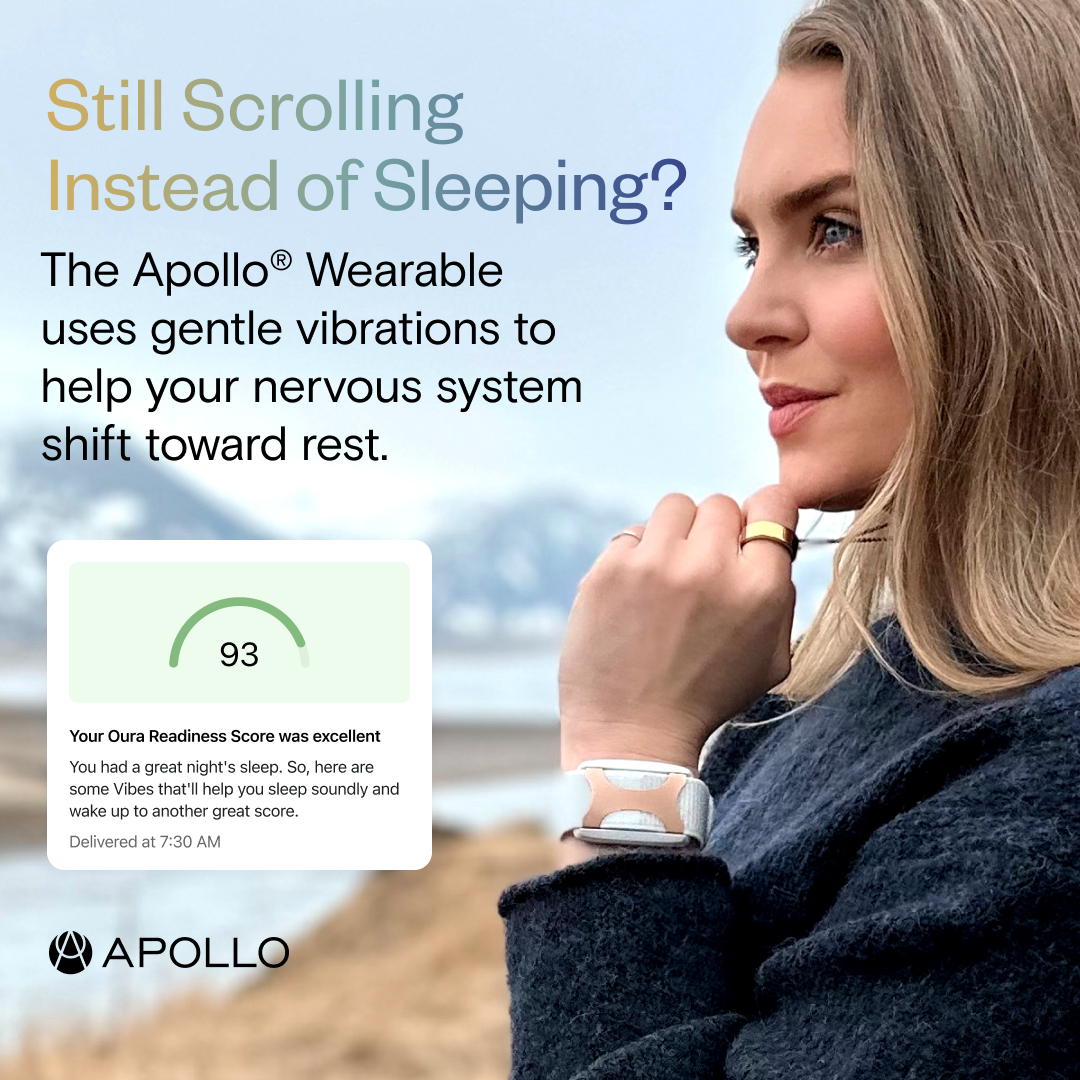
The theory behind it, per Dr. David Rabin (Apollo's co-founder and Chief Medical Officer): sleep struggles aren't always a brain problem. Sometimes the nervous system simply doesn't register that it's safe enough to power down. Apollo's gentle vibration is designed to signal safety to the autonomic nervous system directly, rather than sedating the mind into rest.
It's not a substitute for clinical sleep trials, and results vary — but as real-world data on a passive nervous system tool, it's some of the strongest we've seen for this category.